
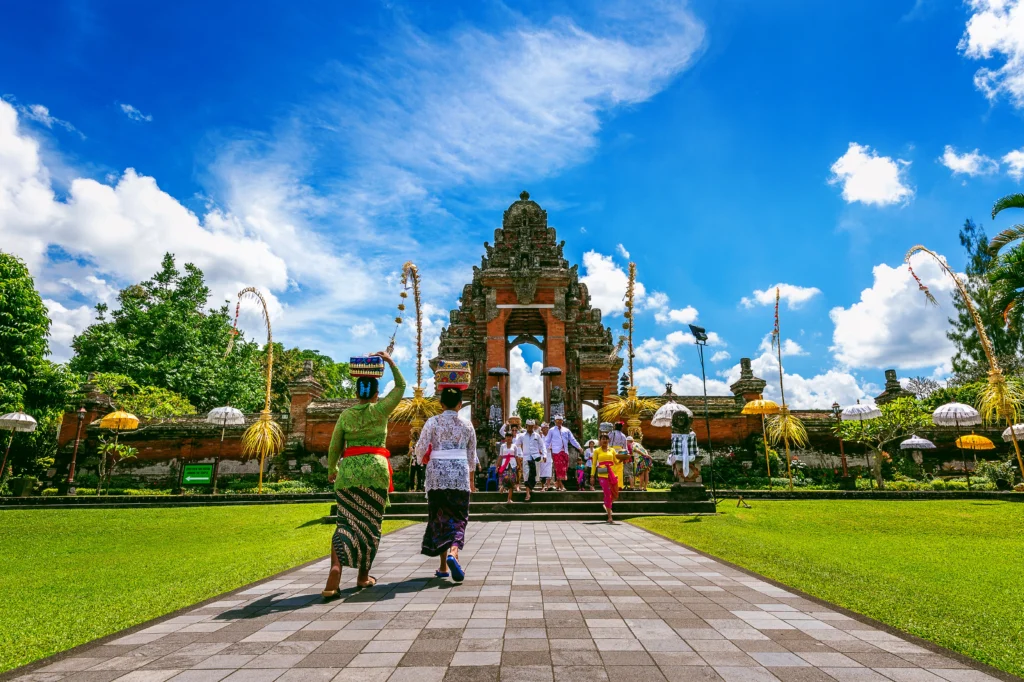
The island of Bali becomes one of the quietest places in the world during Nyepi. This sacred day marks the Balinese Hindu New Year and is observed through complete silence and reflection. Unlike most celebrations that involve fireworks and parties, Nyepi encourages people to pause and contemplate their lives. The tradition has been practiced for centuries by the Balinese Hindu community. On this day, daily activities across the island stop entirely. Roads remain empty, shops are closed, and even the airport suspends operations. Residents remain inside their homes to observe the spiritual rules of Nyepi. These restrictions are intended to create a peaceful environment for meditation and self-reflection. Visitors staying in Bali are also asked to respect the traditions during this time. The result is a rare moment of tranquility across the entire island.
One of the most fascinating aspects of Nyepi is the transformation of Bali’s normally busy environment. Tourist areas that are usually filled with visitors suddenly become completely silent. Beaches, streets, and public spaces remain empty throughout the day. Hotels operate quietly while encouraging guests to remain within the property. Lights are minimized at night to maintain the atmosphere of darkness and reflection. This allows the night sky above Bali to appear clearer than usual. Many residents take the opportunity to observe stars that are normally hidden by city lights. The experience highlights the beauty of Bali’s natural environment. The silence also creates a strong sense of unity among the community. Everyone participates in maintaining the peaceful atmosphere.
Nyepi is preceded by a series of traditional ceremonies that prepare the island for the day of silence. One of the most well-known traditions is the Ogoh-Ogoh parade held the night before Nyepi. These large statues represent evil spirits and negative energy. Communities create the statues using bamboo, paper, and other materials. The figures are often designed in dramatic and artistic forms. Villagers carry the Ogoh-Ogoh through the streets during lively parades. Traditional music and dance accompany the procession. The statues are later burned as part of a symbolic purification ritual. This ceremony represents the cleansing of negative influences before the new year begins. After the celebrations end, the island enters the peaceful silence of Nyepi.
For many visitors, experiencing Nyepi becomes a memorable cultural moment. Travelers who stay in Bali during this period often describe the silence as both surprising and meaningful. Without the usual distractions of modern life, people can appreciate the calmness of their surroundings. Many hotels provide special programs such as meditation sessions or cultural explanations for guests. These activities help visitors understand the significance of Nyepi. Tourists are encouraged to participate respectfully in the observance. This creates a deeper cultural connection between travelers and local traditions. The experience often leaves a lasting impression on those who witness it. It is a rare opportunity to see an entire island pause in harmony. Such moments are increasingly rare in today’s fast-paced world.
The global attention surrounding Nyepi highlights the uniqueness of Balinese culture. Few places in the world observe a tradition that brings an entire region into complete silence. The day reflects important spiritual values in Balinese Hindu philosophy. These values emphasize harmony between people, nature, and the spiritual world. Local authorities work closely with communities to maintain the authenticity of the tradition. Cultural preservation remains an important priority in Bali. Nyepi also serves as a reminder of the importance of balance in modern life. The moment of silence encourages reflection and renewal for the year ahead. For the people of Bali, Nyepi remains a deeply meaningful tradition. It continues to symbolize peace, reflection, and cultural identity.